GLP-1 Microdosing vs. Standard Dosing: What the Science Says (and Who It’s Really For)
"Microdosing" GLP-1 and GIP/GLP-1 medications is everywhere right now. Here is an honest, plain-English breakdown of what microdosing actually means, how it compares with standard dose step-ups, and why doing it with a licensed clinician matters.
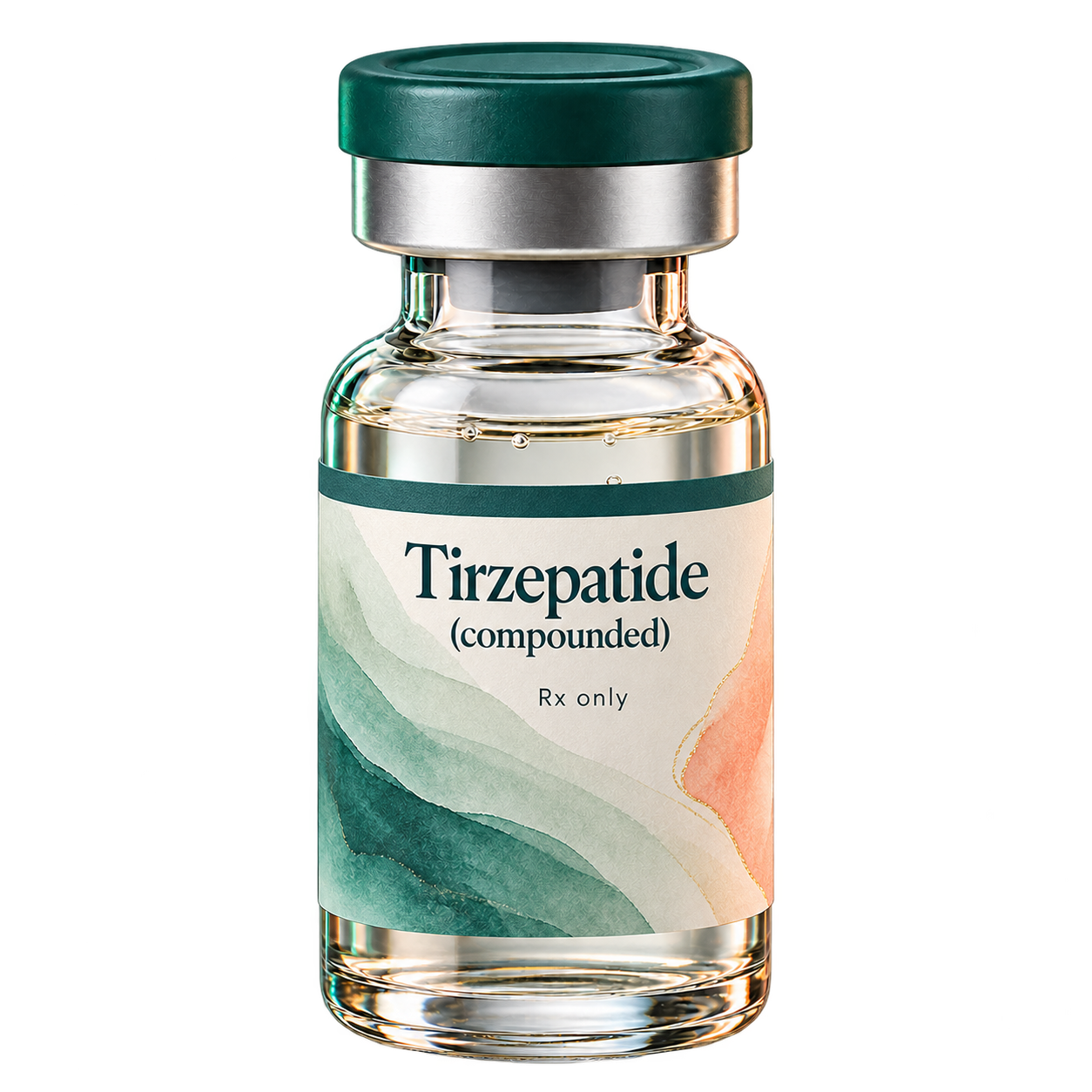 Tirzepatide Microdosing · $179/mo
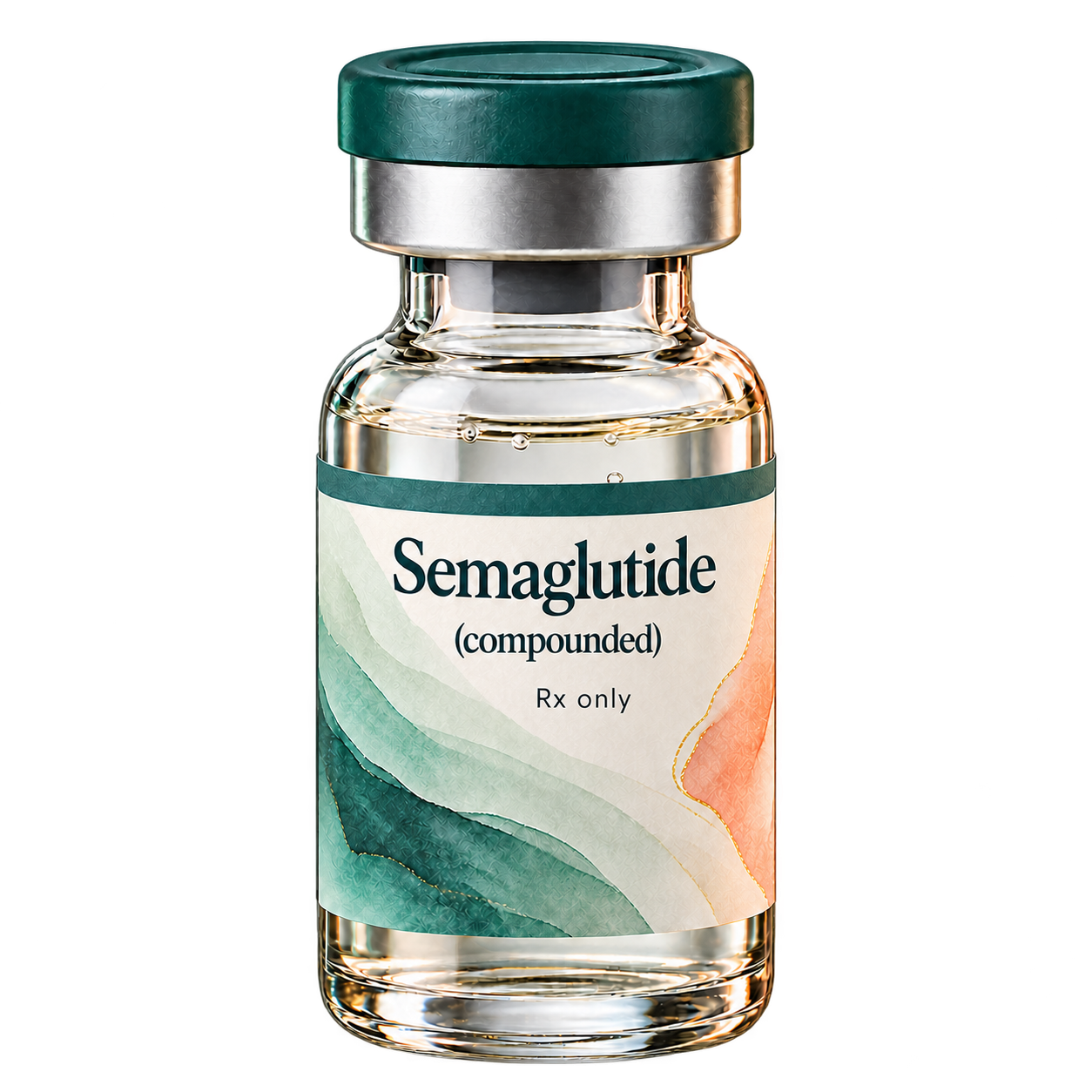 Standard Weekly Plans · From $199/mo
The quick answer (if you only have 30 seconds)
- Standard dosing is built for bigger weight-loss goals: Stepping up gradually every 4 weeks to a full maintenance dose is what produced the famous clinical trial results (~15% weight loss on semaglutide and ~20% on tirzepatide).
- Microdosing is a gentler, lower-dose option: It uses smaller weekly doses (or a steady low starter plateau) aimed at people who are super sensitive to stomach side effects, want gentle metabolic support, or are maintaining their weight after hitting their goal.
- Never "DIY" a microdose on your own: Counting clicks on a brand-name pen or guessing syringe units from an online chart is one of the #1 causes of accidental overdoses. Always let a licensed clinician prescribe a clearly labeled plan.
1. What does "GLP-1 microdosing" actually mean?
In medical weight management, there is no single universal definition of microdosing, because it usually refers to one of three clinician-guided approaches:
- Sub-starter micro-titration: Starting at a fraction of the usual introductory dose so patients with very sensitive stomachs can ease in without nausea.
- Staying on a low-dose plateau: Starting at a gentle introductory tier and staying there rather than climbing the ladder every month, if you and your clinician are happy with how you feel.
- Maintenance spacing: Once someone has reached their goal weight, tapering down to a lower dose (or spacing shots out under clinician guidance) to help keep "food noise" at bay while lowering monthly costs.
2. Why dose size matters: your gut vs. your brain

Here is the most helpful piece of biology to understand when choosing between a microdose and a standard plan:
- Lower doses work great in your body (insulin & blood sugar): The GLP-1 and GIP receptors in your pancreas and gut are very sensitive. Even a small dose can help smooth out after-meal blood sugar spikes, support insulin sensitivity, and give you a subtle nudge toward feeling satisfied earlier.
- Standard maintenance doses reach deeper into your brain’s hunger center: To get the big 15% to 20% weight-loss results seen in major clinical trials (like STEP 1 and SURMOUNT-1), enough medication has to cross into the appetite centers of the brain to turn off strong cravings and reset your body-weight set point. Very small microdoses often do not build up high enough to do that heavy lifting if you have 30, 50, or 80+ pounds to lose.
| What to compare | Standard weekly dosing | Lower-dose / Microdosing approach |
|---|---|---|
| Main goal | Maximum weight loss & full appetite reset | Gentle metabolic support, fewer stomach side effects, or weight maintenance |
| How doses change | Steps up gradually every 4 weeks toward a full maintenance dose | Stays on a low, gentle dose prescribed by your clinician |
| Expected weight loss in studies | 15% to 20.9% average weight loss over 68 to 72 weeks in landmark trials (studying FDA-approved reference products) | More modest (often <5% to 8%, or steady maintenance), depending heavily on nutrition and strength training |
| Appetite & "food noise" control | Strong, steady all-week appetite suppression | Subtle, gentler fullness cue without feeling overly stuffed |
| Stomach side effects | Mild-to-moderate nausea or digestion changes during step-up weeks | Typically milder as your stomach adapts gently (though side effects can still occur) |
| Monthly pricing at Sovi | $229/mo (Semaglutide) or $289/mo (Tirzepatide) on 1-month flexible plans (save $30/mo on 3-month plans) | $179/mo (Tirzepatide Microdosing 4-week plan) |
3. Why "DIY" microdosing is risky (and how clinician-guided plans keep it safe)
Because brand-name pens can cost over $1,000 a month out of pocket, many people online try to invent their own microdosing hacks. Medical societies and the FDA warn against two common DIY mistakes:
- Mistake #1: "Click-counting" a single pen for 4 to 6 months. Multi-dose pens are only tested to stay sterile and chemically stable for 30 to 60 days after first use. Stretching one pen for half a year risks bacterial contamination and degraded medication, and the internal dial is not calibrated to measure halfway clicks accurately.
- Mistake #2: Guessing syringe "units" from internet charts. Different compounding pharmacies mix vials at different concentrations (like 1 mg/mL, 2.5 mg/mL, or 5 mg/mL). If someone uses a random online conversion chart and draws "40 units" instead of "4 units," they accidentally give themselves a 10x overdose, leading to severe vomiting and dehydration.
How Sovi solves this: If a licensed clinician determines that our Tirzepatide Microdosing plan ($179/month) is appropriate for you, your prescription is dispensed in a fresh, clearly labeled vial with your exact syringe unit instructions and Beyond-Use Date, backed by real clinician oversight.
4. Bottom line: should you choose Microdosing or a Standard Plan?
- Choose a Standard Tirzepatide or Semaglutide Plan if: Your main goal is significant, steady weight loss (15 to 50+ lbs), you want full all-week relief from "food noise," and you want biweekly 1:1 coaching and basic Quest/Labcorp labs included in your plan.
- Ask your clinician about Tirzepatide Microdosing ($179/mo) if: You are looking for a gentler, lower-dose entry point, you have had a very sensitive stomach on standard doses in the past, or you want to discuss a lower-dose maintenance approach with a licensed clinician.
Explore your dosing options with a licensed clinician
Complete a quick online intake to share your health history and goals. A licensed clinician will review your profile and help determine whether standard dosing or a microdosing plan is appropriate.
* Educational information only; this guide summarizes published clinical research on studied reference molecules and pharmacokinetic models and does not constitute individual medical advice or a guarantee of results. Do not assume results from FDA-approved tirzepatide or semaglutide products apply to compounded microdosing or standard plans. A lower dose does not guarantee fewer side effects. Prescription required. Compounded medications are not FDA-approved; FDA does not review them for safety, effectiveness, or quality before marketing. Sovi does not manufacture compounded medications. Product images are illustrative, and actual dispensed packaging and labeling may differ.